Hopes & Dreams
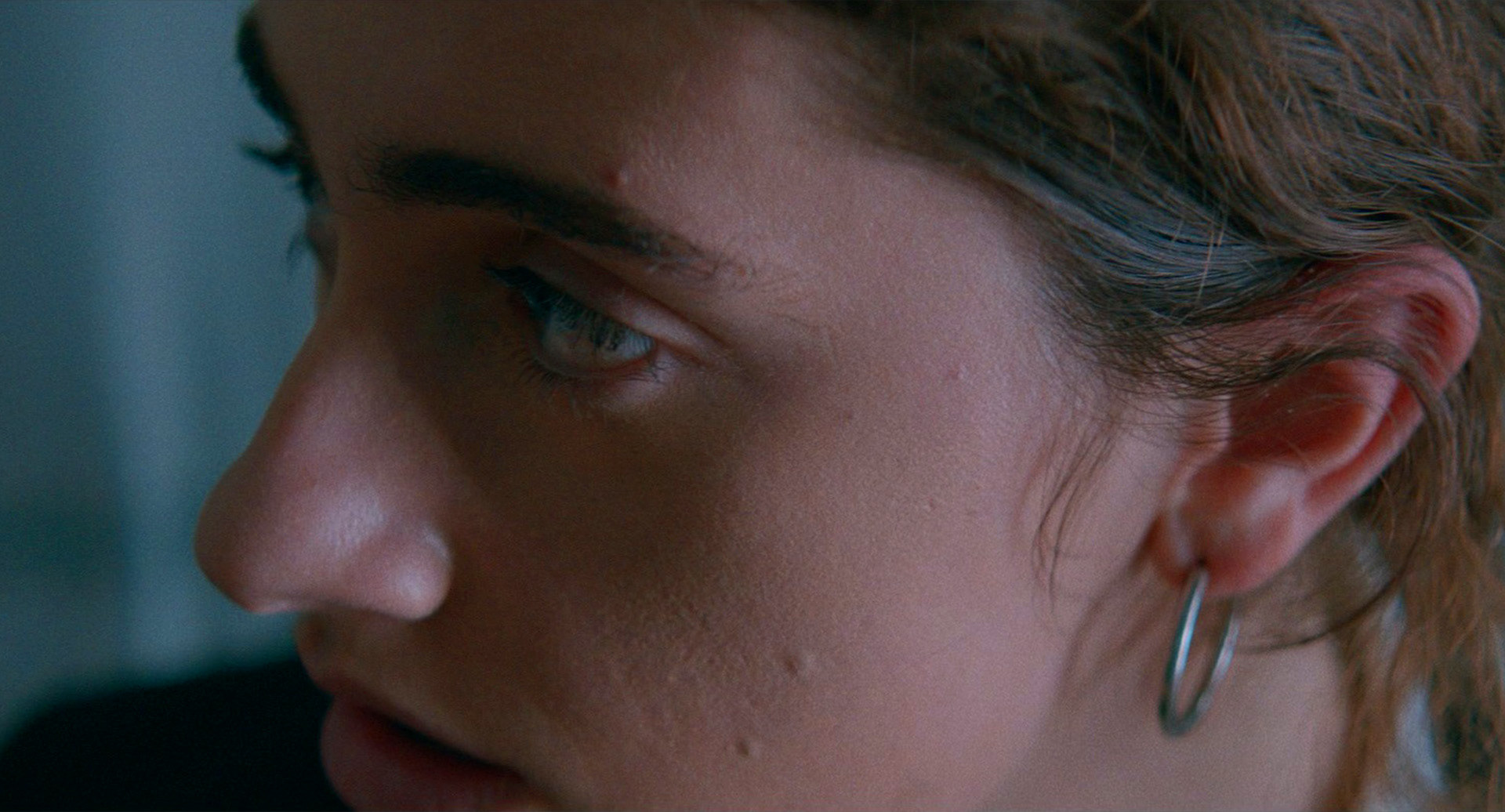
NORA and POLLY are sisters, artists, and lifelong rivals.
NORA (27), the youngest and favourite, is also the prettiest, more charming and successful of the two. She’s a visual artist (or sculptor? photographer?) with commercial appeal, although her work perhaps lacks the depth she skillfully projects. She’s recently booked a possibly career-altering studio visit and interview with curators from Art Basel. This could be her big break.
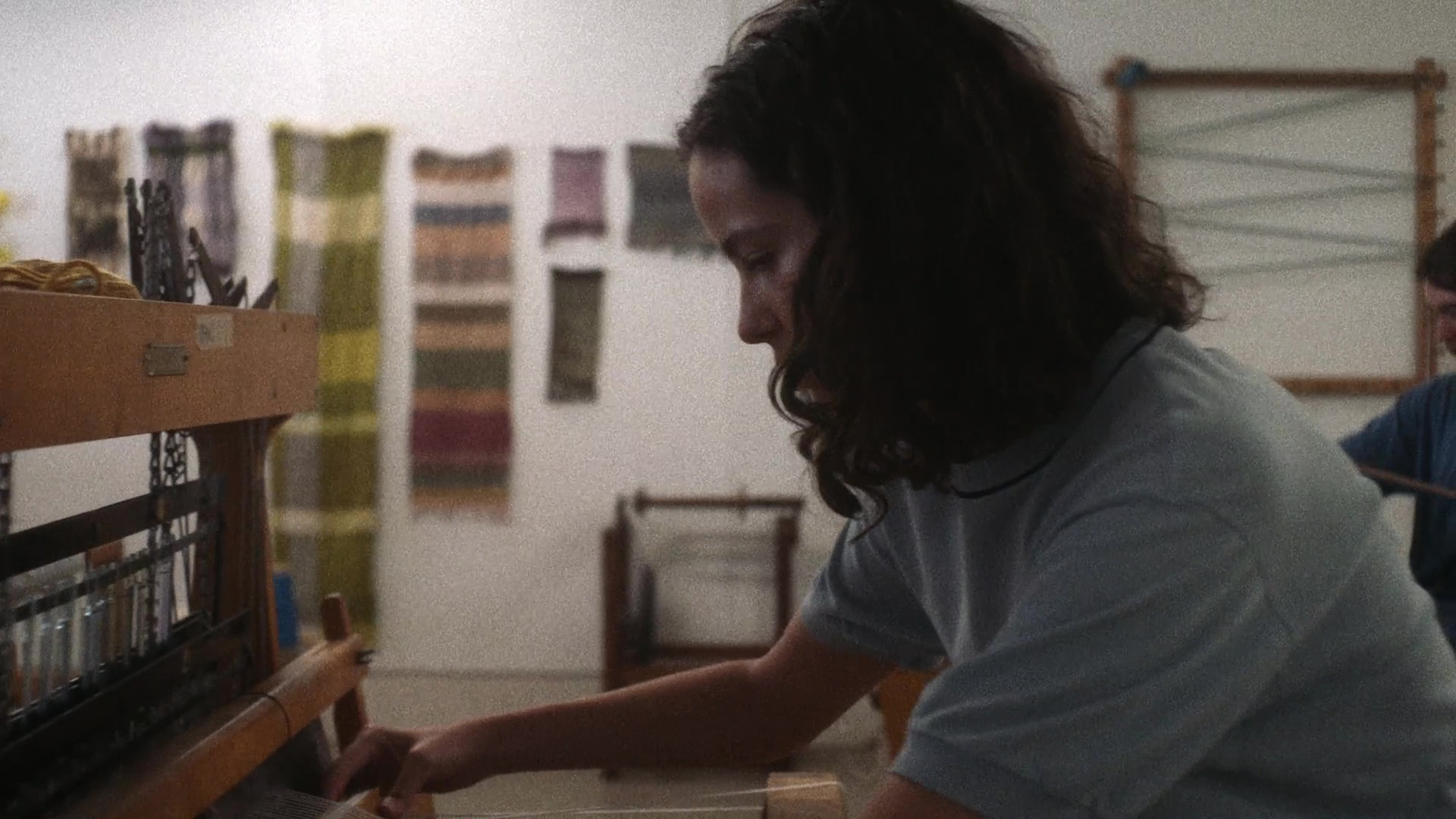
POLLY (28), the eldest, is a stop-motion artist whose work life isn’t nearly as thriving as her sister’s. Aside from a never-ending animated passion project, she hasn’t booked a lot of gigs recently - and not for a lack of trying. There’s just something about her desperate attempt to seem not desperate that pushes producers away. She’s growing tired of her mother’s constant comparison to Nora and longs for approval and recognition from someone - anyone!
Despite the tensions between the two, Polly and Nora (reluctantly) share a studio space
- which Polly has also temporarily moved into.
- which Polly has also temporarily moved into.
ACT ONE
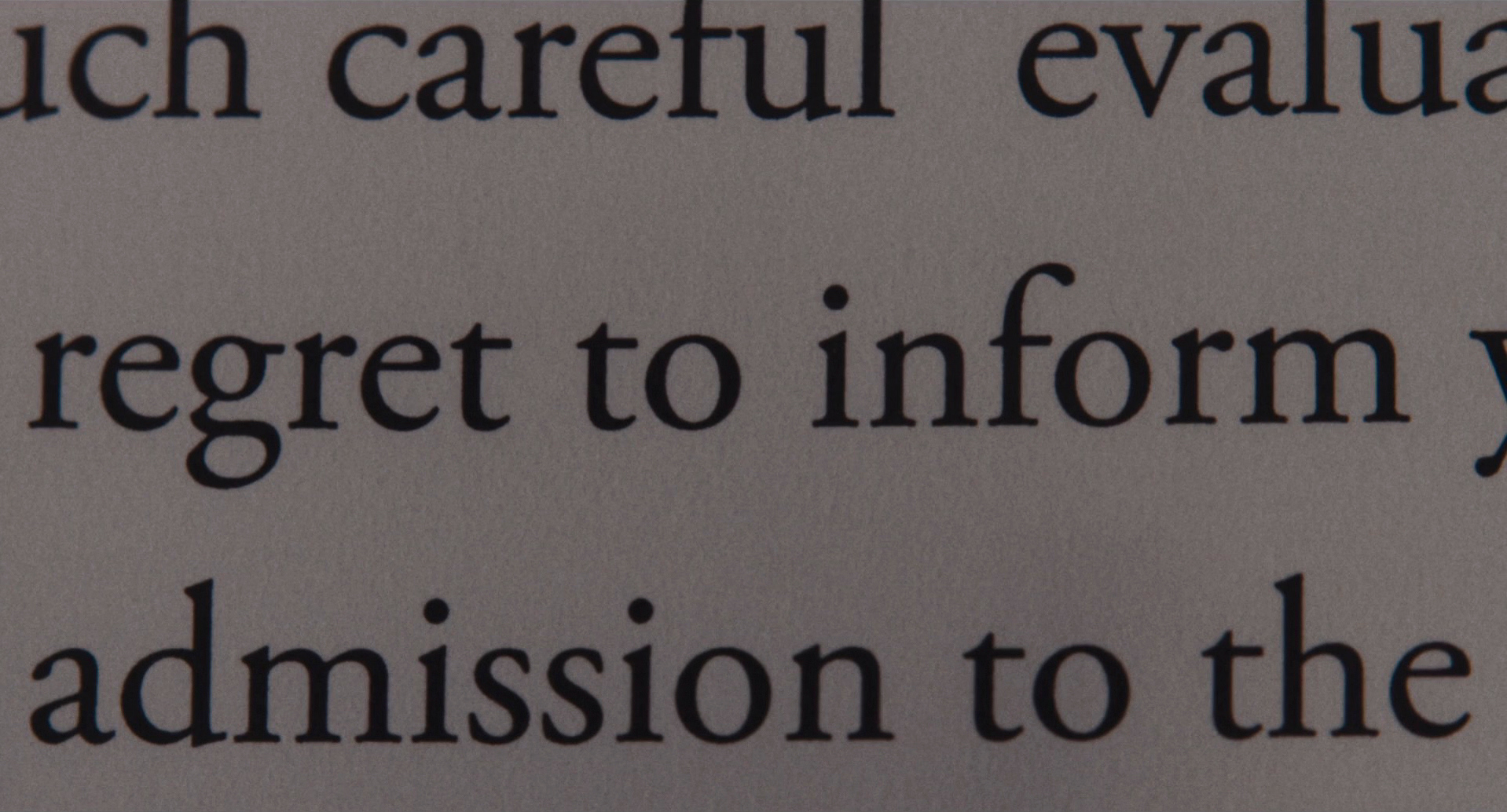
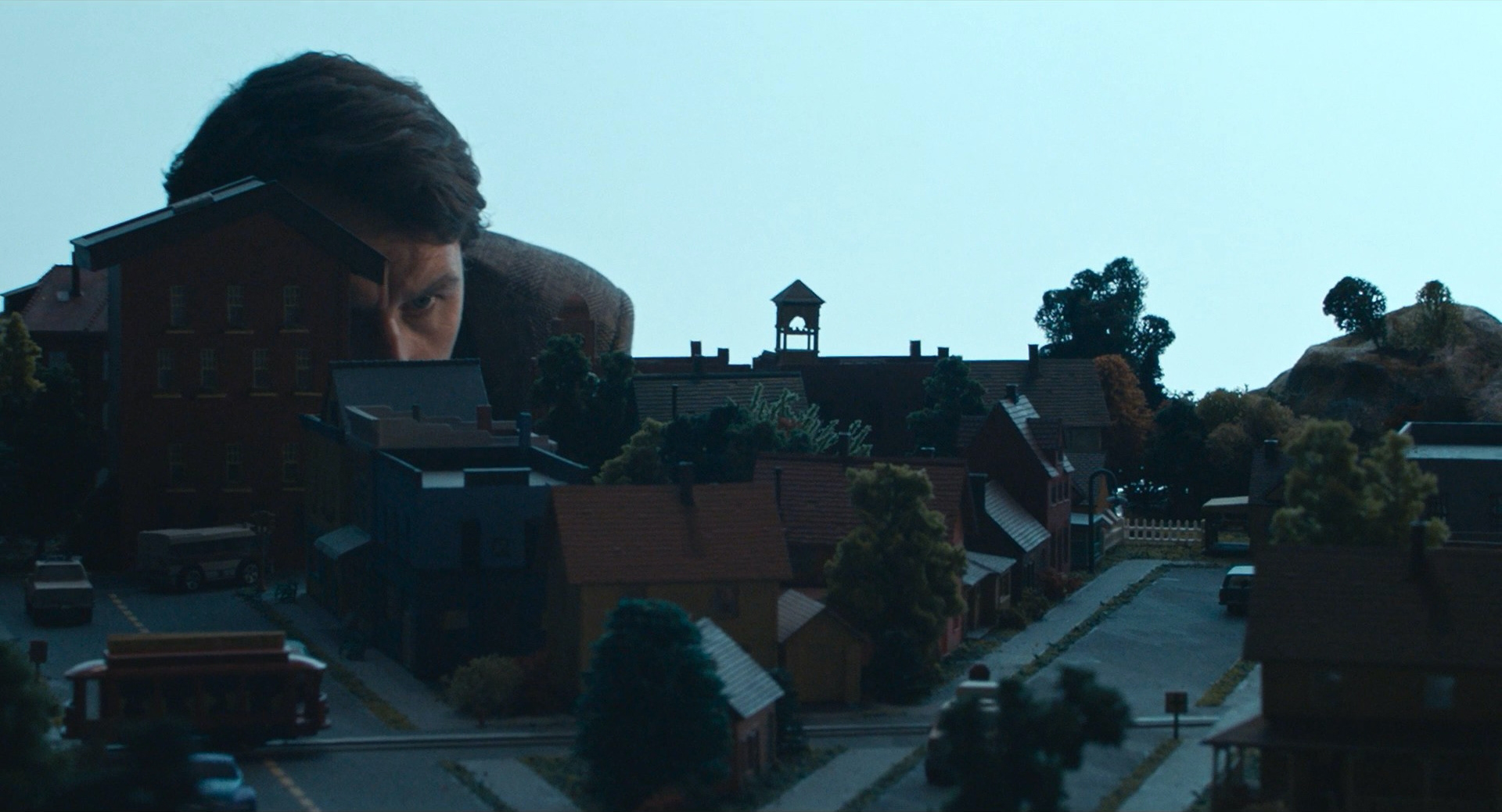
After another awkward and ill-fated Zoom meeting with a dull producer, POLLY (28, neck brace on) browses through her countless rejection emails: we’re so sorry / although we loved / this year’s submissions have been incredible / perhaps next time / we encourage you to apply again. Around her sprawls the miniature world she meticulously but perhaps pointlessly built for her stop-motion film.
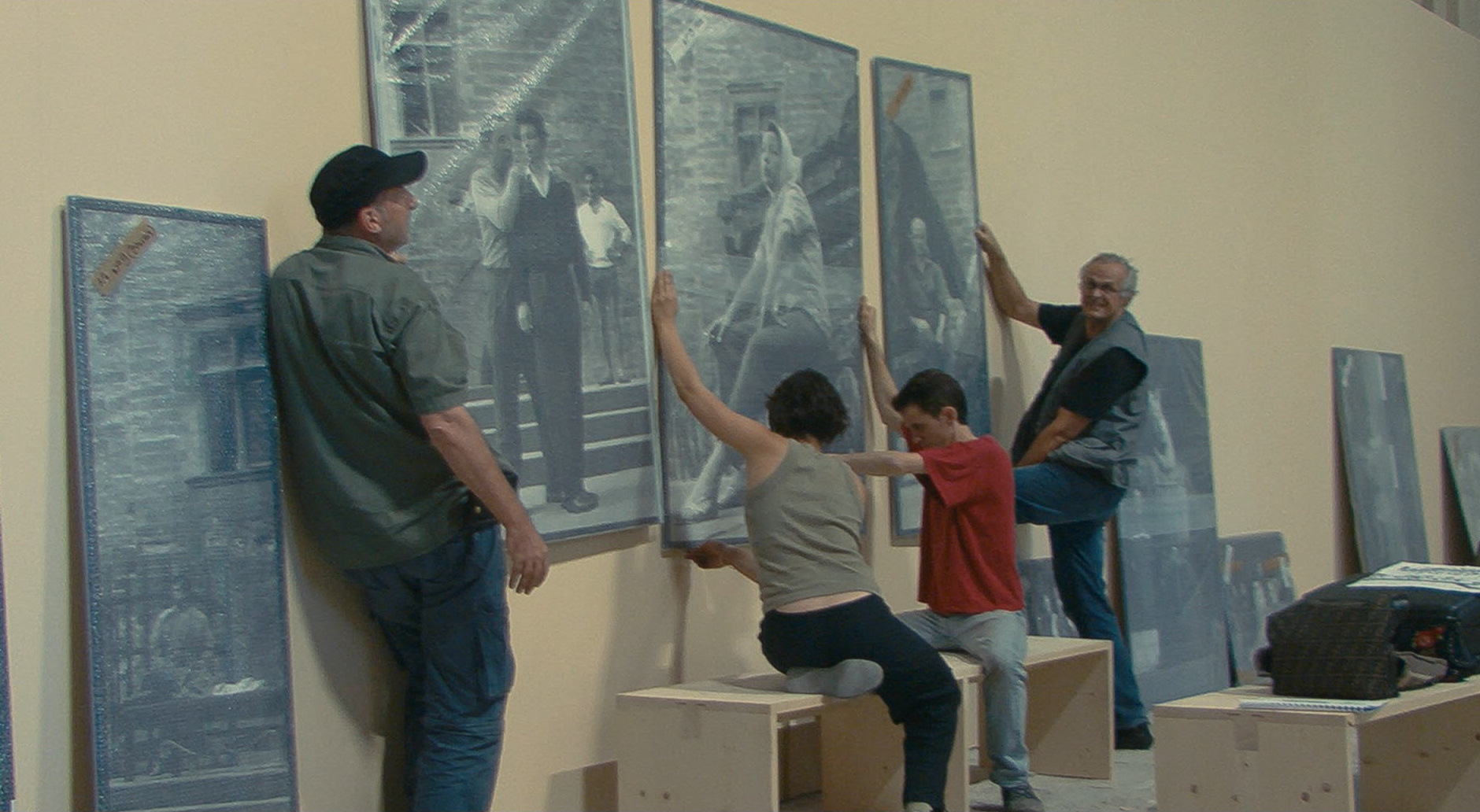
NORA (27), MOTHER (66) and a couple STRONG ARMS soon show up in grand style to install Nora’s new freshly framed series of paintings for her upcoming studio visit with curators from Art Basel. Mother’s favouritism becomes clear when she wrongfully accuses Polly of milking her credit card and subtly shames her for living in “her sister’s studio”. Nora defends Polly at first, before asking her crew to put away her sister's miniatures and personal effects. Helpless, Polly watches her work literally replaced by Nora’s oversized frames, her tiny universe whisked away, out of sight.
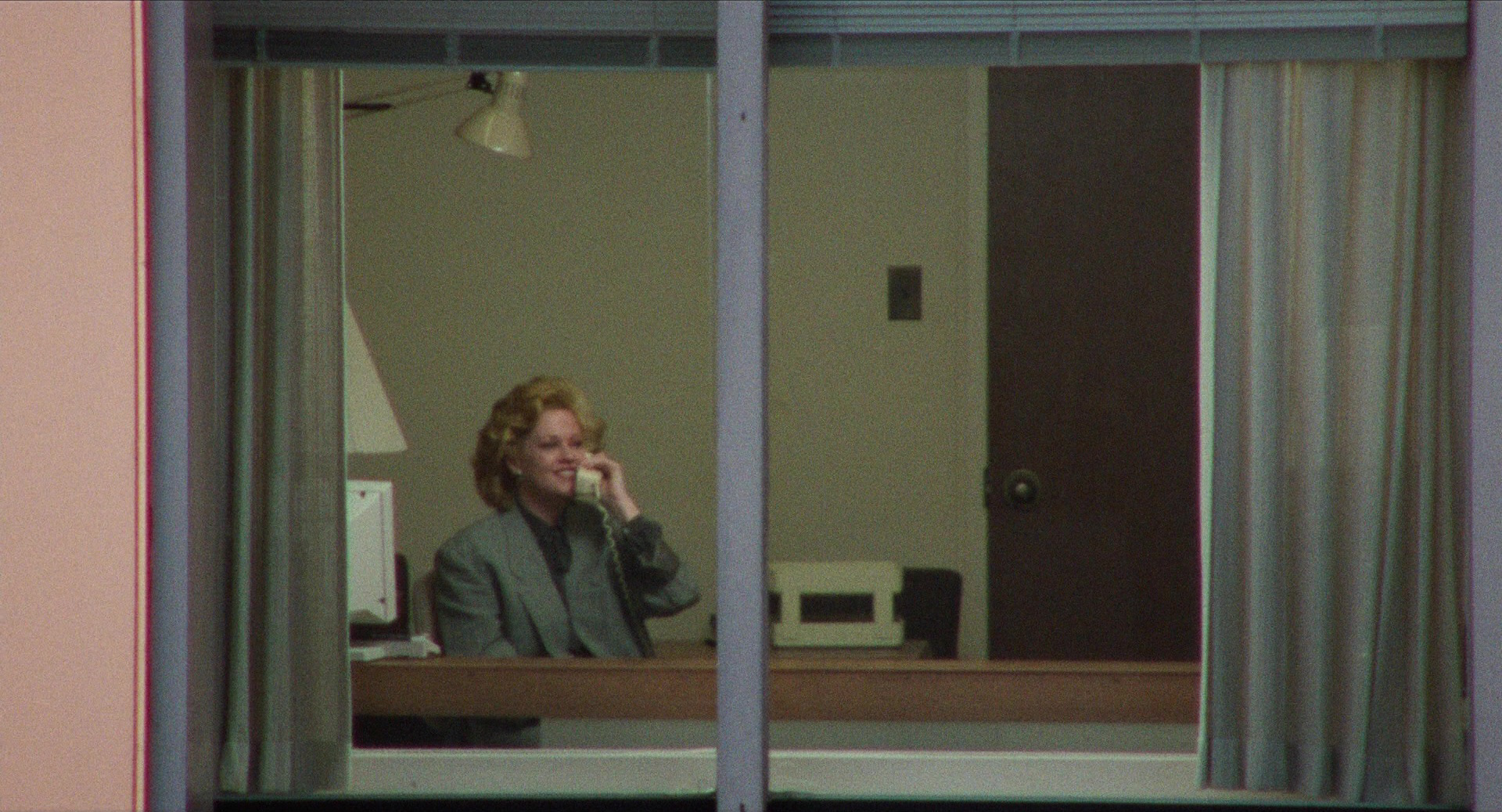
After a quick stab at Polly’s unkempt look, Mother and the movers leave. Polly wonders if perhaps she should have become an accountant like that woman in the corporate office across the street, whether it would have made her - and Mother - happier than a life of chasing a barren dream. Nora is visibly nervous about her upcoming interview, shoving papers in drawers, annoyed by the constant tinging of her phone. Ignoring Polly’s existential interrogations, she asks her about her earlier meeting. Polly lies, insisting her project is actually attracting a lot of attention. It is clear the sisters don’t have a trusting, honest relationship, but one based in envy and competition. Picking up a vague phone call, Nora exits, asking Polly to entertain the curators if they show up before her return.
Alone, surrounded by her sister’s overwhelming art, Polly picks up a magazine article (or is it a Zine? a YouTube interview?) about Nora and her recent series of paintings. She sneers at the self-indulgent wording: “visionary”, “urgent”, “dialectical”, “speculative futurity”, “meta-critical”. Studying Nora’s arty headshot featured in the spread, she mimics and mocks her pose in the mirror; imitates her smile; puts her hair up; even going so far as to putting on her cardigan. With a bit of effort, she could very much look like her exemplary sister. Soon, a KNOCK at the door.
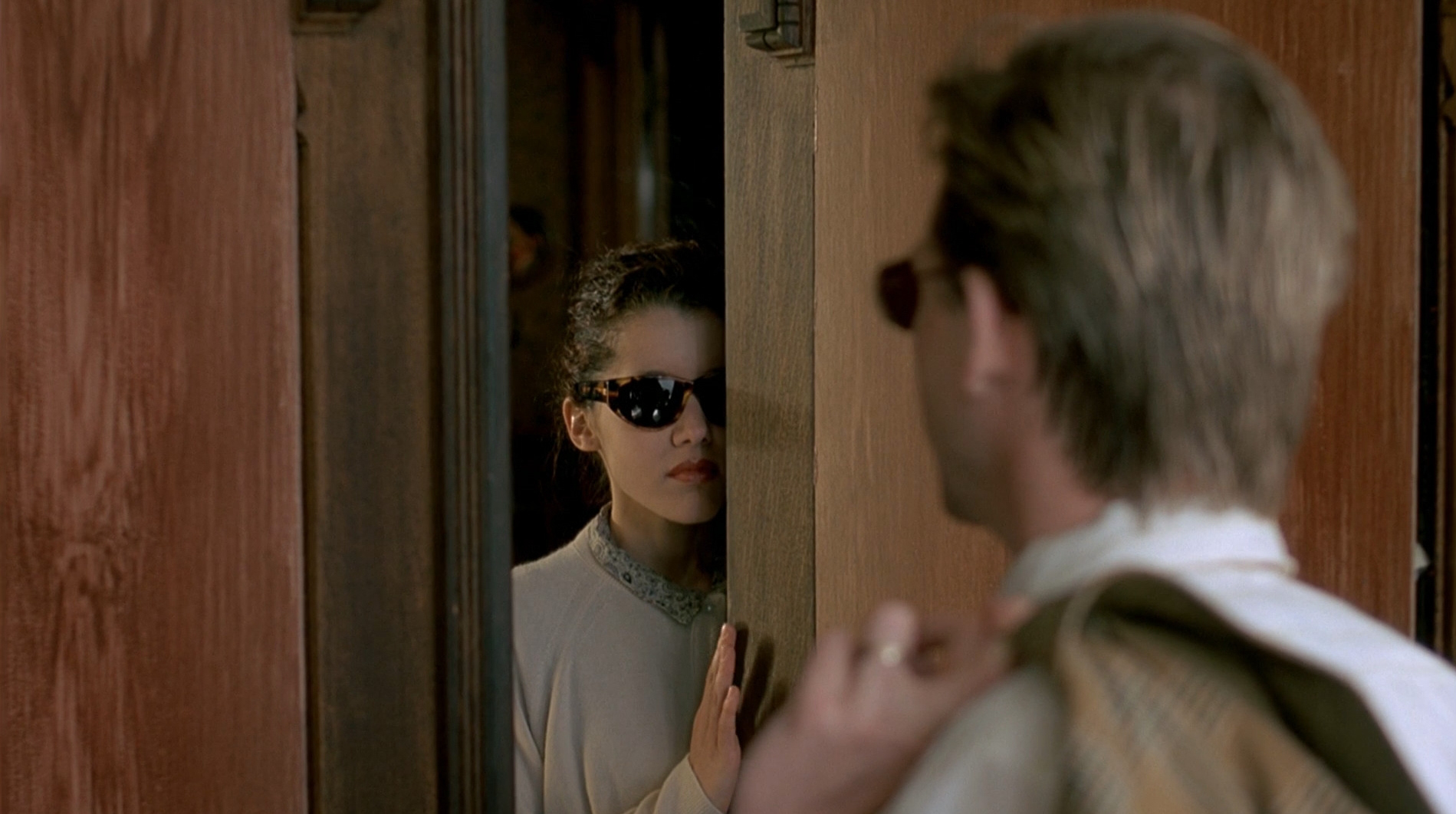
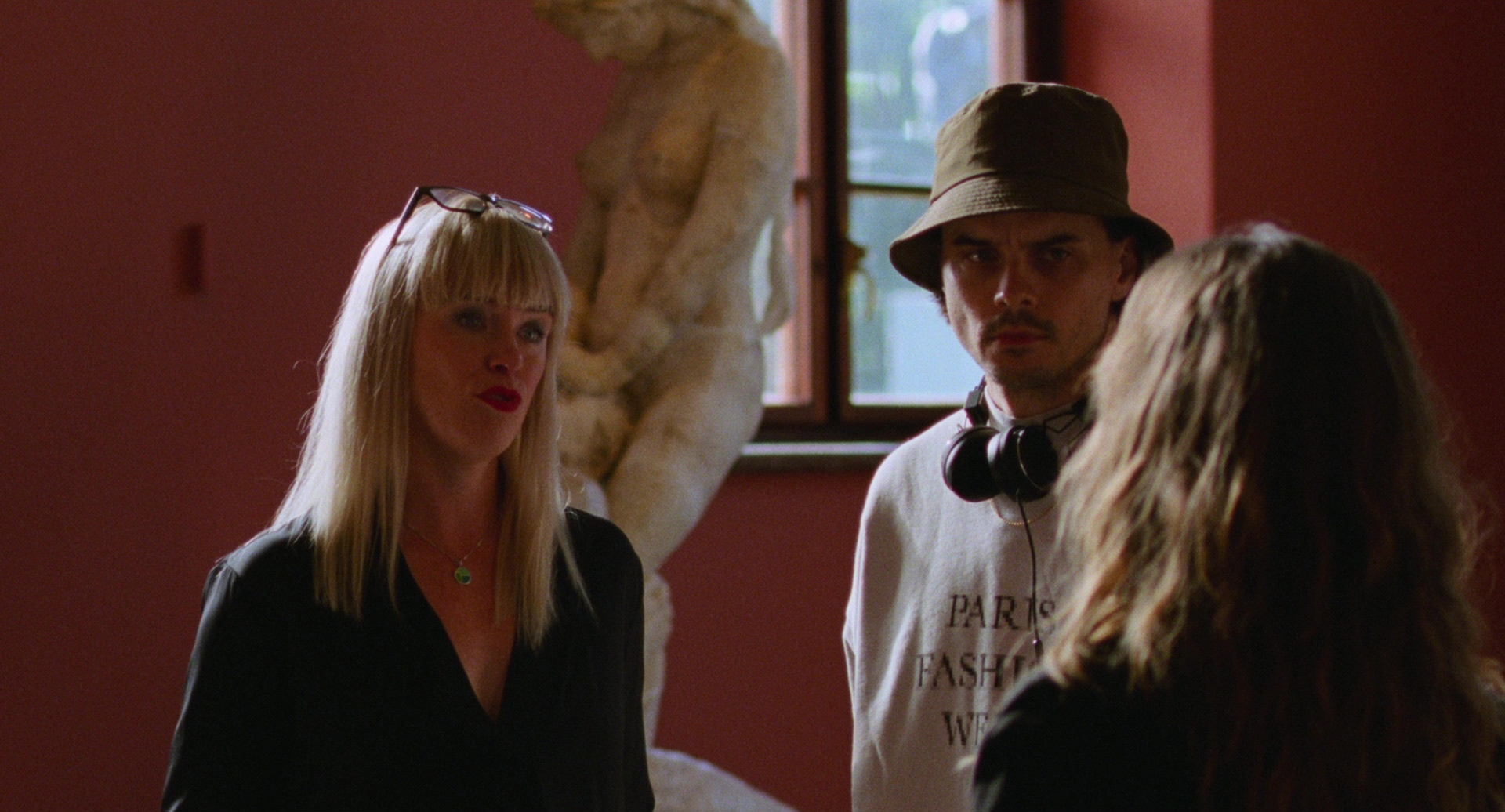
Caught off guard, Polly hesitantly greets the curators at the door: MARCUS (31, eager twink, the good cop) and SIGRID (52, stern, the bad cop), who immediately assume her to be Nora.
In a strange impulse, Polly doesn’t correct them.
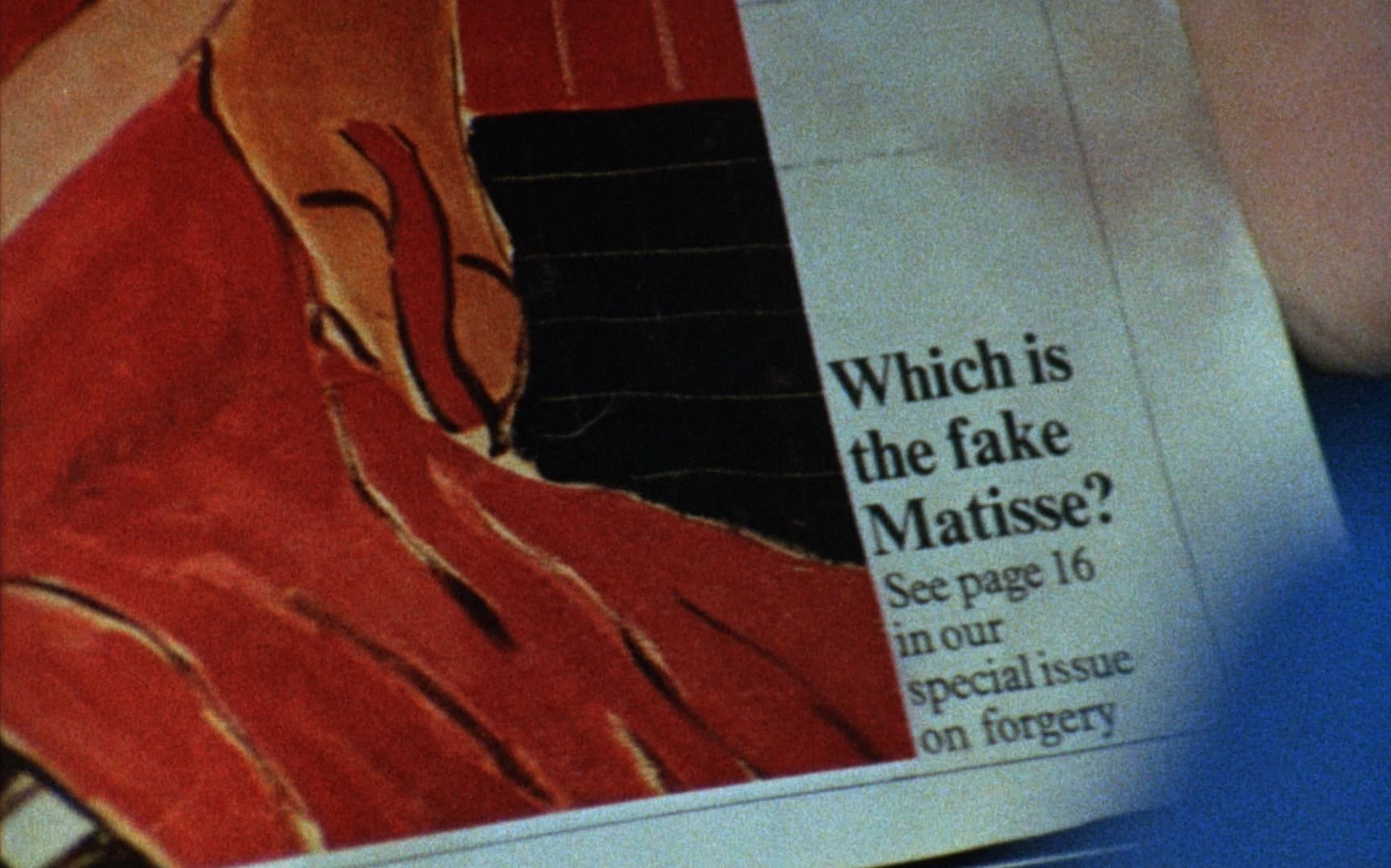
ACT TWO
Polly starts the studio visit as Nora.
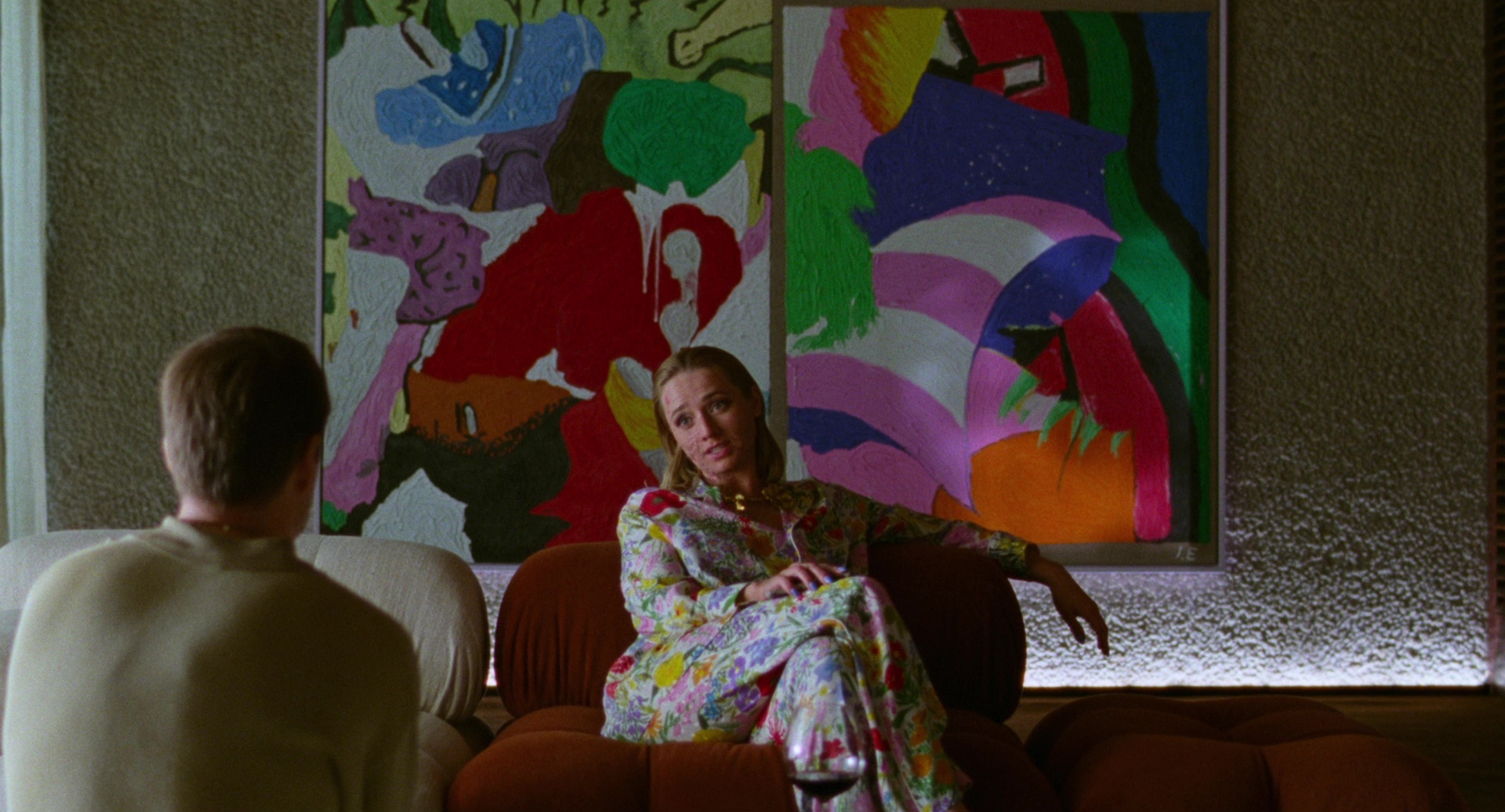
The unsuspecting curators ask questions about her series and Polly delightfully assumes her sister’s performative identity, dropping pseudo-intellectual lingo to describe her work, which actually pleases Marcus. Polly increasingly pushes the caricature, ascribing overblown interpretation to the paintings, making generic but provocative statements about art, seemingly hoping to make a fool of herself/Nora. Marcus eats her words up, but Sigrid is skeptical, and eventually asks Polly to discuss the artist statement she sent them a few weeks ago. Stumped, Polly asks her “which part” of the statement she wants clarification on. Sigrid reveals that in Nora’s statement, she discusses growing up in her sister’s shadow. Polly is incredulous. Marcus pulls up the pdf on his phone and reads from it, revealing that Nora’s artistic drive stems from admiring Polly’s innate creative impulses and unwavering integrity over quick success. Marcus asks about said sister and their relationship.
In this ironic turn of events, Polly must discuss herself from Nora’s point of view. She is forced to examine her work and career with more empathy and tolerance. This suddenly brings up a more honest and profound conversation about hopes and dreams, and while still impersonating her sister, Polly allows her own thoughts to filter through. She brings up the envy she feels towards the simple life of that woman in the corporate office across the window, sibling rivalries, and the importance of remaining true to one’s essence. This makes the initially aloof Sigrid suddenly very attentive. In a rare moment, Polly, as Nora, feels very seen. This moment of vulnerability also offers a new, more profound meaning to the paintings.
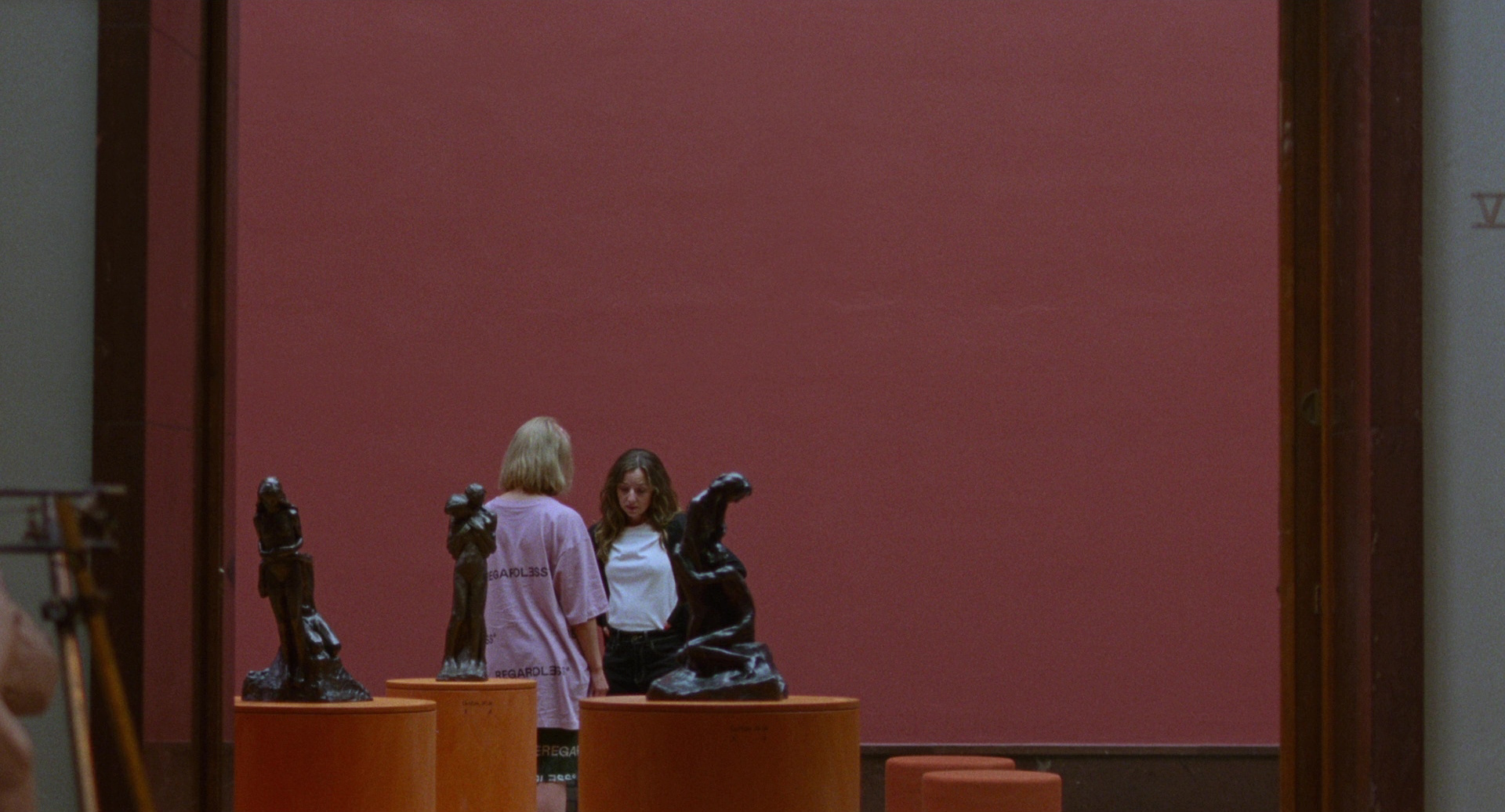
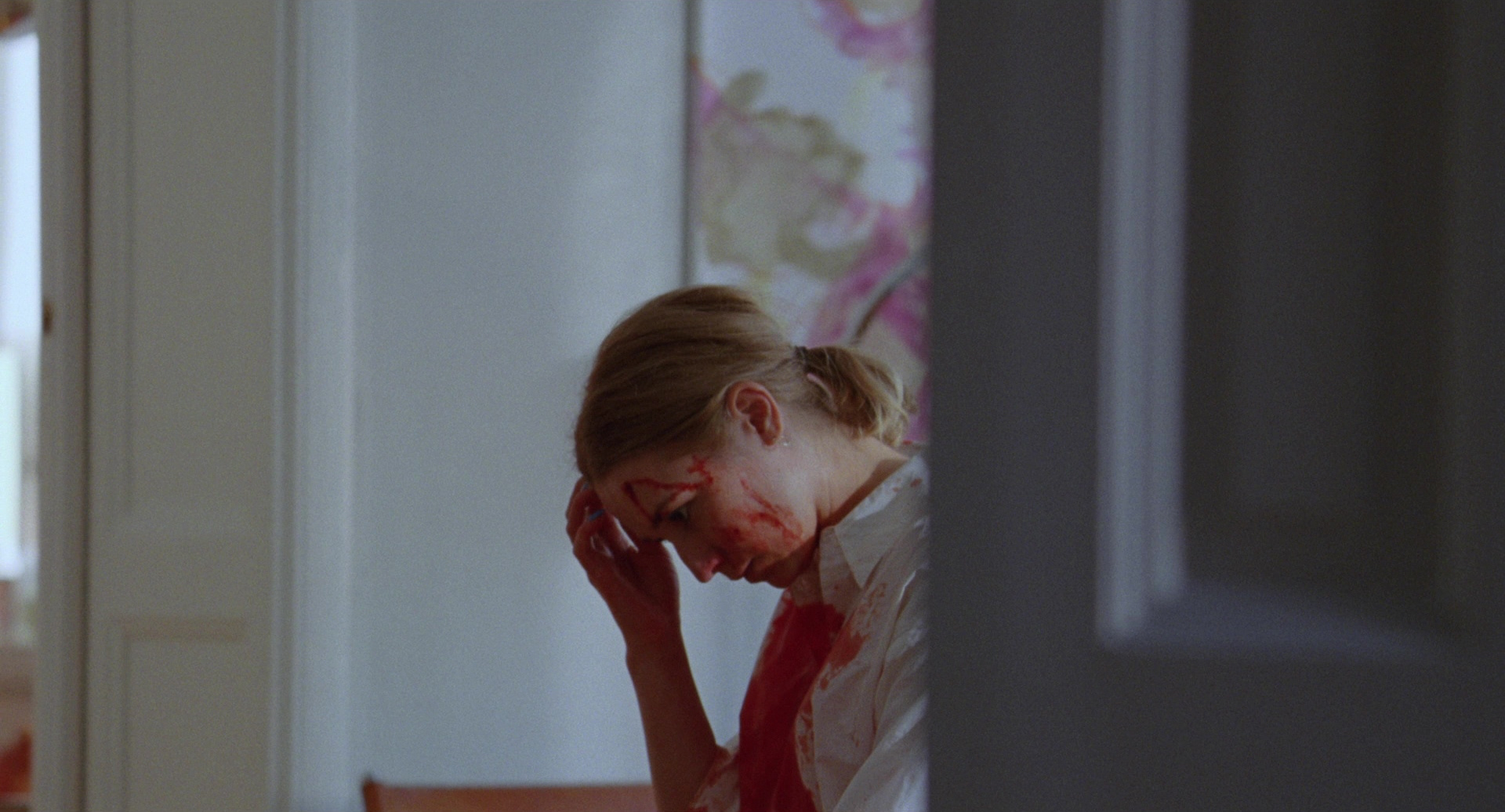
In the hallway outside the studio, the real Nora returns, out of breath, eyes red. She stops at the door for a moment to dry her tears, and overhears the conversation Polly is having with the curators. Misunderstanding and convinced Polly is out to sabotage her (which she was, but no longer is!), she furiously interrupts the group, creating confusion with the curators. With both sisters claiming to be Nora, Sigrid and Marcus don't know who to believe. Nora is angry at Polly for impersonating her but Polly isn't sure she should confess her deception now.
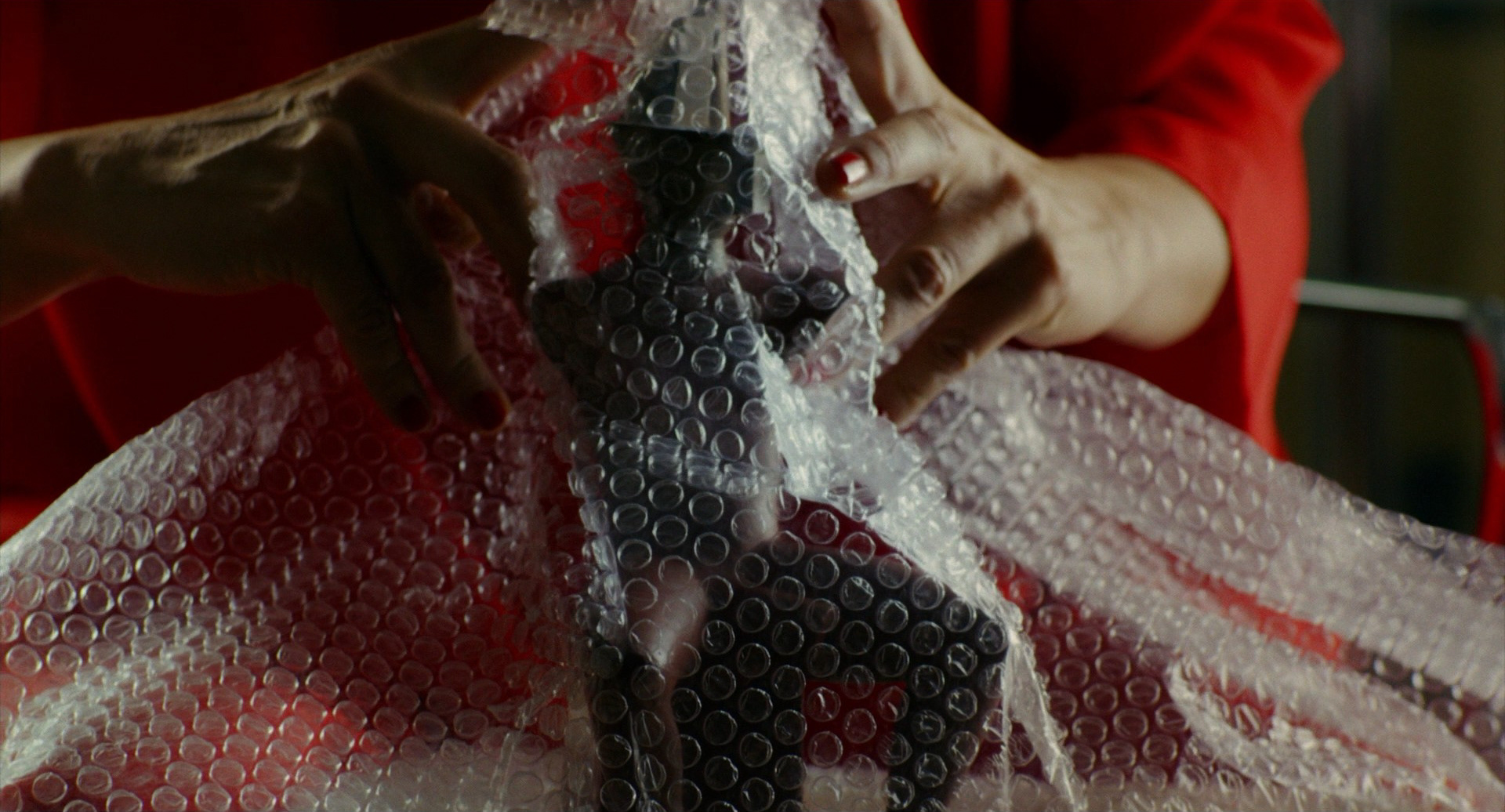
Before the truth can be revealed, the group is interrupted by a violent KNOCK at the door, followed by authoritative voices urging them to open. Nora freezes, looking panicked. The knocking persists. Seeing Nora completely paralyzed, Polly opens up, and three MEN storm in. They ask if one of them is Nora: the real Nora remains silent; Polly hesitates; the curators are stunned. Finally, Marcus tells the men that one of the girls is Nora, he’s just not sure which one. That’s enough for the men who, armed with a clipboard, start wrapping Nora’s paintings in bubble wrap and carrying them out of the studio. While Polly’s instinct is initially to stop them, she notices Nora’s ashamed expression: she knows she’s in the wrong here.
Left with no explanation, Sigrid is outraged and prepares to leave. Polly stops her, and desperately claims this is all part of the series - that it’s performance art. Marcus is amazed and cries genius, but Sigrid does not buy it for a moment. She drags her colleague out with anger. This was a disgrace.
Polly and Nora stand in the middle of the studio as the last pieces are carried out, echoing the earlier installation scene. When one of the men gestures towards Polly’s stop-motion maquette, Nora stops him. Not this. The men exit, leaving a letter for whichever of them is Nora. The sisters are left alone in the empty studio.
ACT THREE
Later, Polly and Nora sit outside a café. Nora fidgets with the letter. She reveals to Polly that her contract with her gallery has been terminated for theft. While things seem successful from the outside, she hasn’t been able to come up with original work for months and has resorted to temporarily stealing her own sold artwork for her studio visit with Art Basel. She’s so impressed with Polly’s ability to continuously generate authentic work: that’s true creative success in her book. Polly apologizes for impersonating her: she couldn’t resist stepping into her shoes if that meant she’d experience what it feels to be desired as an artist, even for a moment.
Finally the sisters speak to each other with honesty and vulnerability.
Nora tells Polly that perhaps she is right about the woman in the corporate office across the window. That they’d have an easier, happier life if they hadn’t chosen to follow their dreams. Noticing the nearby dog drooling over their croissants, Polly jokes that there’s probably no one in this city living a happier and easier life than this dog.
Nora agrees, throwing it her croissant. Might as well just have been a dog.